Follow Us:

Fitness Trends for 2026


The fitness industry has always evolved, but 2026 marks a more meaningful shift. The conversation is no longer dominated by aesthetics, high-intensity extremes, or novelty programming. Instead, fitness is being redefined by longevity, healthspan, personalization, and experience.

For facility owners and operators, this evolution brings a clear message: how we design spaces and select equipment matters more than ever. Facilities are no longer just places to work out-they are environments that must support people across life stages, health conditions, and motivations.

The trends shaping 2026 are less about chasing what’s new, and more about building spaces that work better-for longer.

Training for Longevity & Healthspan Becomes the Baseline

Longevity is no longer a niche concept reserved for elite athletes or biohackers. Today Canadian fitness clients want to move well, stay strong, and remain independent for decades to come. As a result, healthspan-not peak performance-is becoming the primary goal of exercise.

This shift has direct implications for facility design. Strength training, balance, and cardiovascular capacity must be accessible to a wider population, including older adults and those newer to resistance training. Facilities that prioritize versatile strength equipment, intuitive layouts, and clear coaching sightlines create environments where people feel safe progressing-not overwhelmed.

Designing for longevity means choosing equipment that adapts with the user, supports proper loading, and encourages consistency over intensity spikes.

Menopause-Informed Fitness Demands Better Spaces and Tools

One of the most significant shifts in fitness is the growing awareness around menopause-and women demanding informed guidance rather than generic advice.

As estrogen declines, maintaining bone density and muscle mass becomes critical. Strength training is no longer optional for midlife women, yet many traditional gym environments unintentionally discourage participation through intimidating layouts or overly technical equipment.

Facilities that respond well to this trend prioritize:

  • Stable, approachable strength equipment
  • Selectorized and plate-loaded options that support progressive loading
  • Layouts that feel welcoming rather than performative

Thoughtful space planning plays a key role here. When women can train confidently and comfortably, adherence improves-and outcomes follow.

Supporting GLP-1 Users Through Thoughtful Equipment Selection

GLP-1 medications are reshaping the fitness landscape. While these medications can support weight loss, they also introduce challenges related to muscle preservation, energy availability, and fatigue.

For this growing population, resistance training becomes essential, but it must be programmed and supported appropriately. Facilities need equipment that allows users to achieve meaningful stimulus without excessive technical demand or prolonged sessions.

From a design perspective, this means:

  • Equipment that supports efficient, effective strength training
  • Layouts that allow for rest and recovery between sets
  • Spaces that encourage coaching interaction and education

Facilities that understand these needs position themselves as trusted partners in health-not just places to burn calories.

Mobility Moves From the Sidelines to the Main Floor

Mobility work is no longer an afterthought or something reserved for warm-ups. In 2026, it’s recognized as foundational to strength, longevity, and injury prevention.

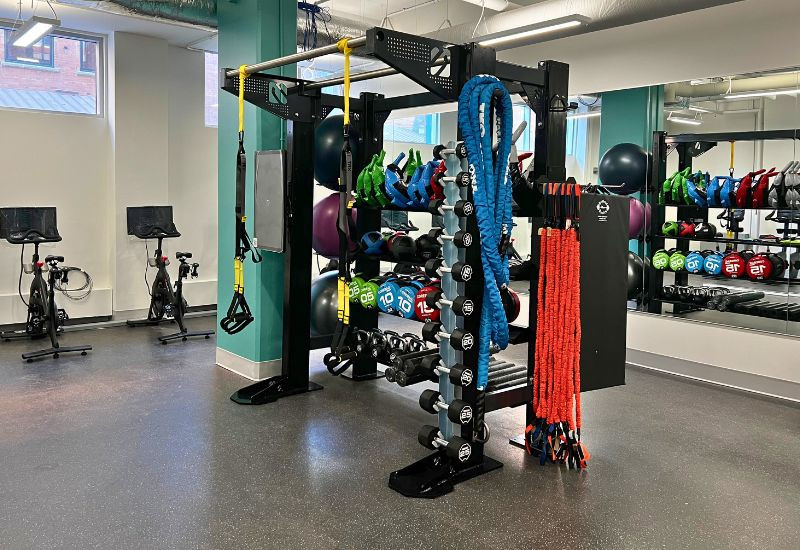
This trend challenges Canadian facilities to rethink space allocation. Mobility requires room to move-open areas, appropriate flooring, and modular tools that encourage exploration rather than restriction.

When mobility is built into the environment, movement quality improves across all training styles. Better movement leads to better strength and better long-term outcomes.

Recovery Becomes a Core Pillar of Facility Design

Recovery is no longer viewed as passive or optional. It is now understood as a key driver of adaptation, consistency, and long-term engagement.

Modern facilities are increasingly incorporating dedicated recovery zones that support circulation, nervous system regulation, and rest. These spaces signal to members that recovery is valued-not rushed.

From a business perspective, recovery areas increase dwell time, enhance perceived value, support a more holistic member experience, and can create opportunities for additional revenue through premium services or tiered access.

Fitness Studios Evolve Into Social & Wellbeing Spaces

People don’t just stay for results — they stay for connection.

As Canadian fitness studios evolve into social and wellbeing hubs, design plays a critical role in fostering community without disrupting training flow. Thoughtfully integrated lounge areas, recovery spaces, and flexible studios allow for interaction while maintaining functionality.

Facilities that feel inclusive, calm, and intentional are better equipped to serve diverse populations and retain them.

Fitness Trackers & AI Quietly Shape the Experience

Wearables and AI-driven insights are becoming standard tools in the fitness journey. While the technology itself is often invisible, facilities must design spaces that support data-informed coaching and hybrid training experiences.

This includes accommodating:

  • Self-guided training alongside coached sessions
  • Equipment that integrates easily into varied programming styles
  • Spaces that support education and feedback, not just output

The most successful facilities will use technology to enhance human expertise-not replace it.

What This Means for Facilities in 2026

The facilities that thrive in 2026 will be those that:

  • Invest in adaptable, future-ready equipment
  • Design spaces around real human needs, not trends alone
  • Support strength, mobility, recovery, and connection equally

Trends may evolve, but the need for thoughtful design does not.

At Beyond the Basics, we help facilities in Alberta, BC, Saskatchewan and Northern Territories translate these shifts into functional, welcoming, and future-proof spaces designed to support people for life.


Share This Post:

Related Posts

We’d love to hear from you
Contact us today at (403) 265-1377 or fill out the form below!
Sign up for our Newsletter, and stay up-to-date.

At Beyond the Basics Fitness, we provide you with quality products and optimal solutions to keep your fitness facility operating at the highest level. Let us help you make the most of your facility because our success depends on yours.
 
Have Questions? Call Us Today At

Call Us

Request
Service
TopNewsletter SignUpOur TeamProductsArticlesContact Us
Clear
Compare
Promo