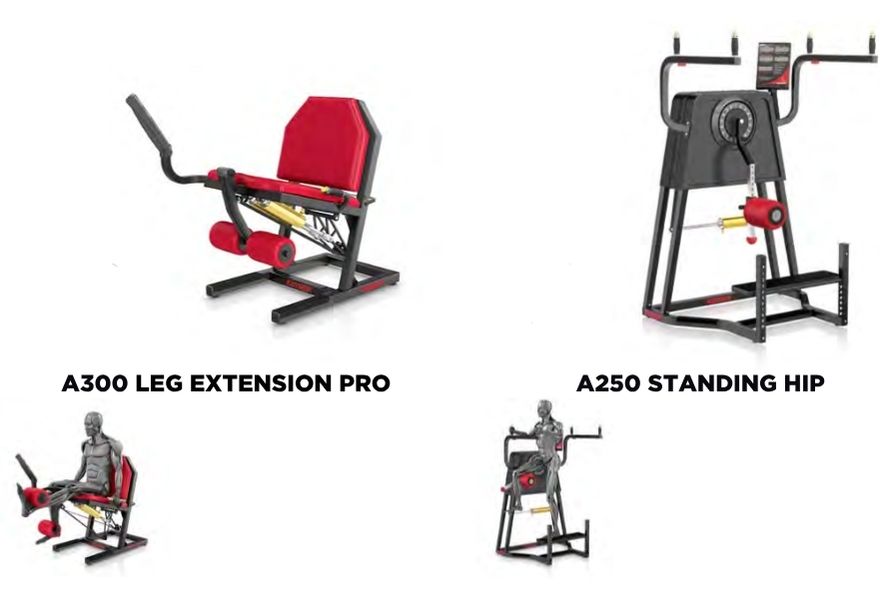
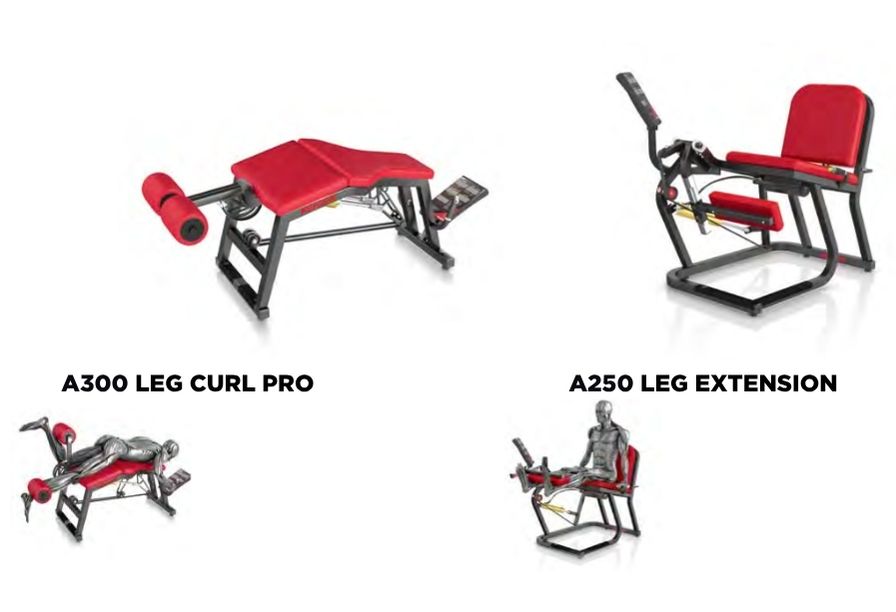
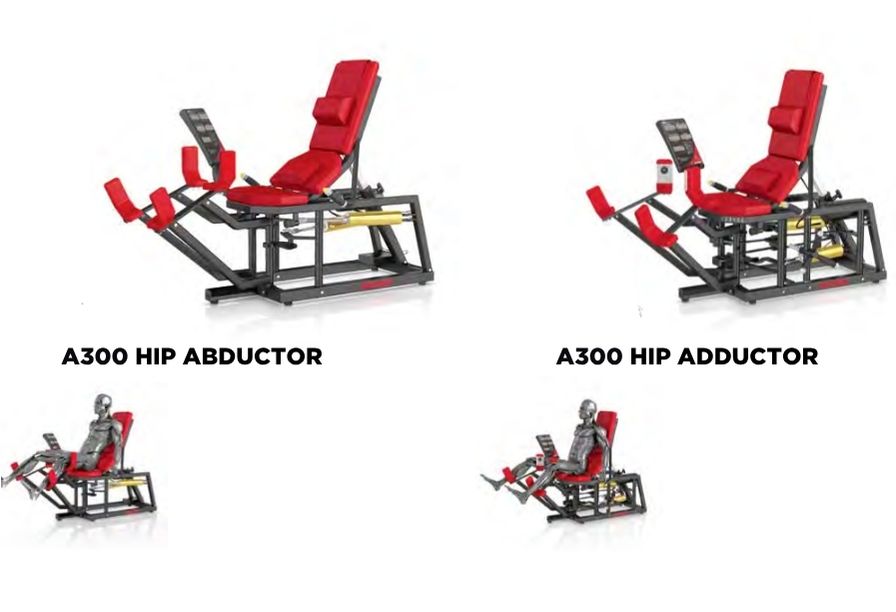
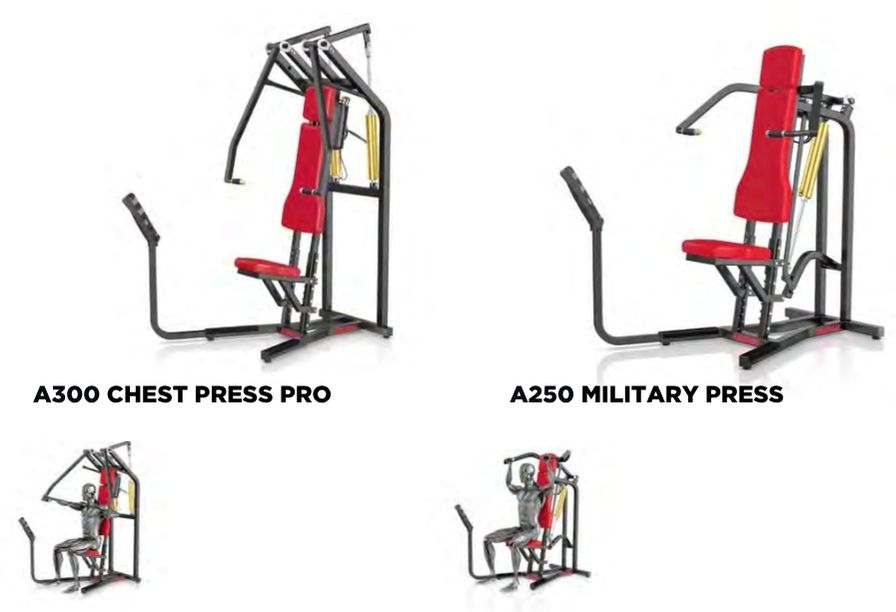
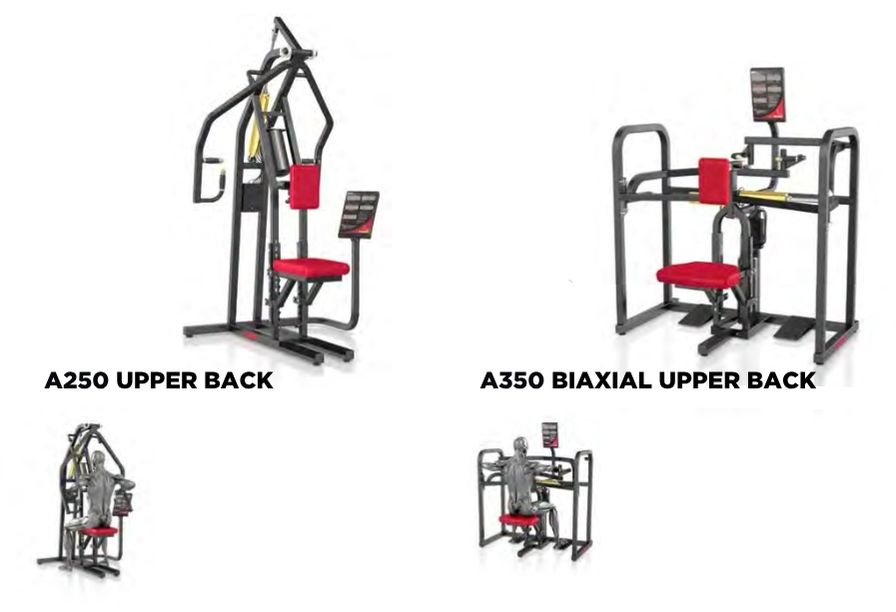
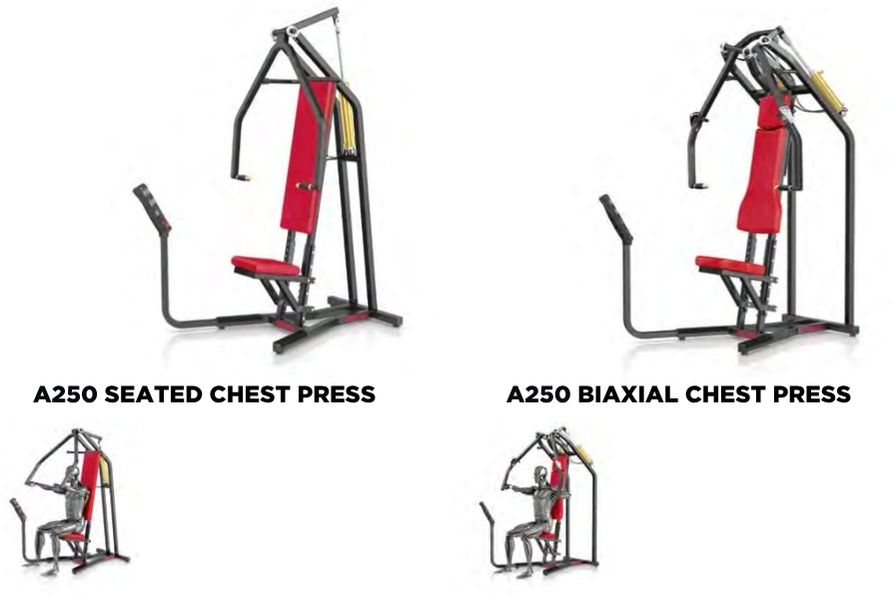
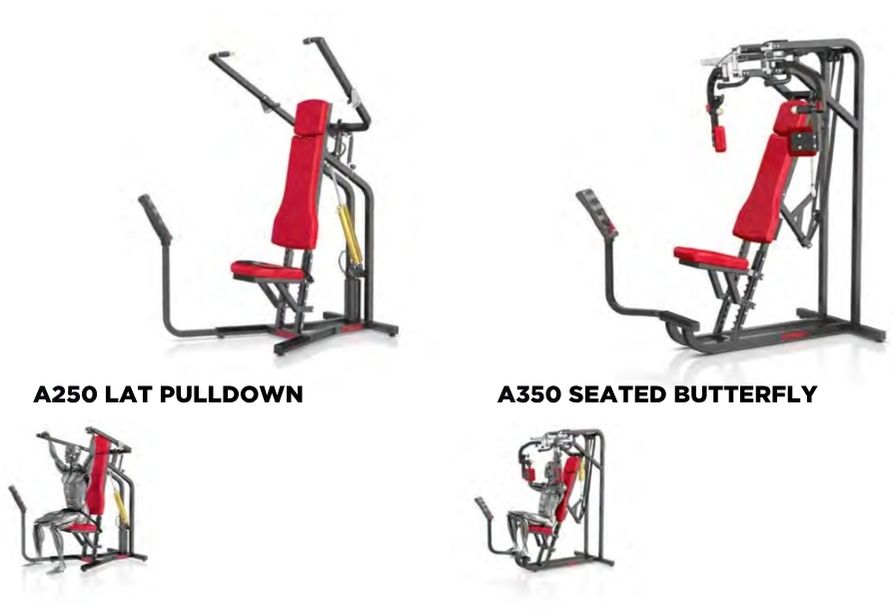
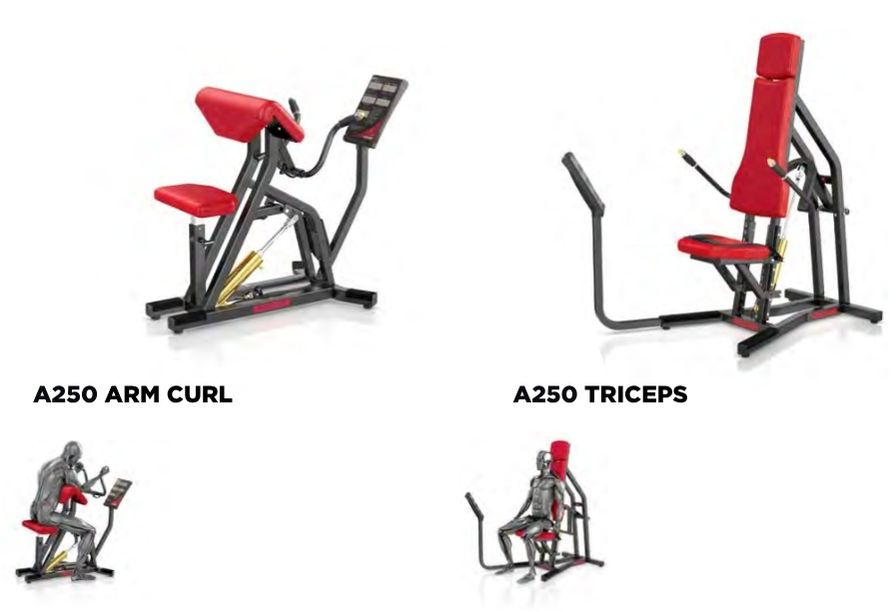
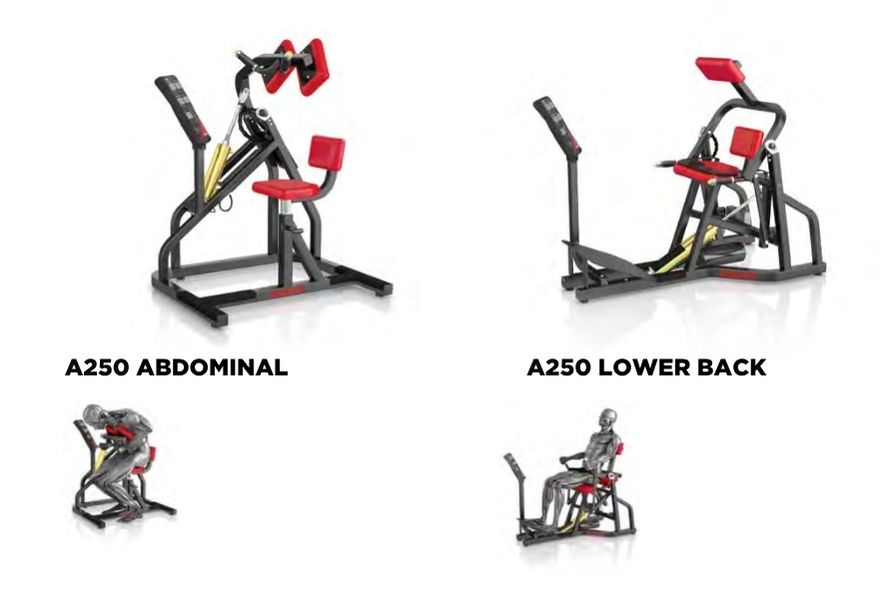
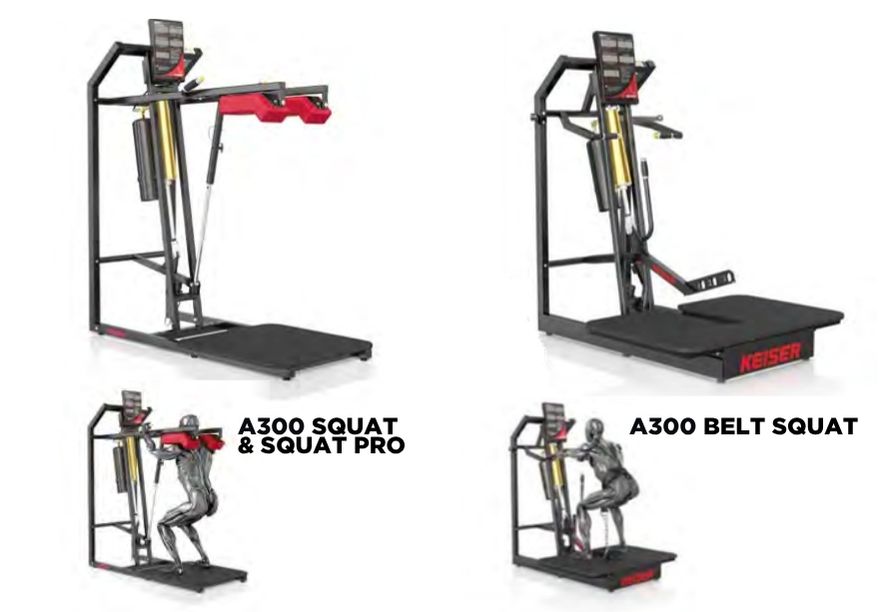
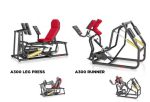
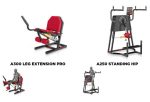
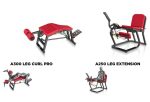
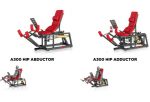
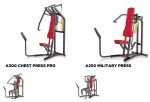
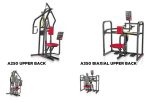
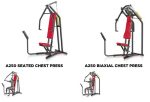
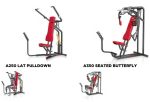
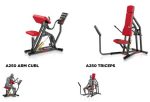
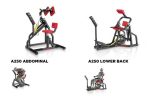
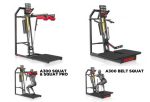
Keiser Strength Series (A250, A300, A400)
Built for Every Facility
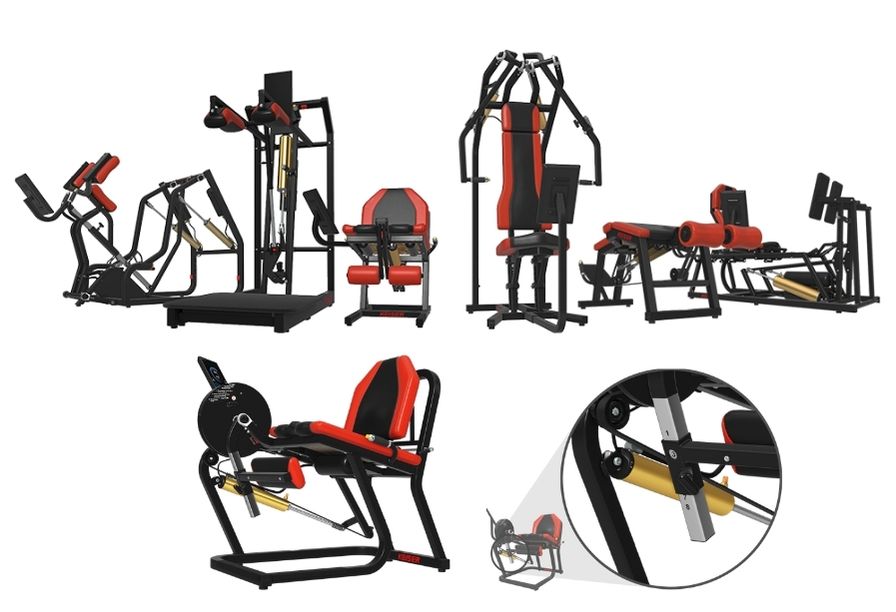
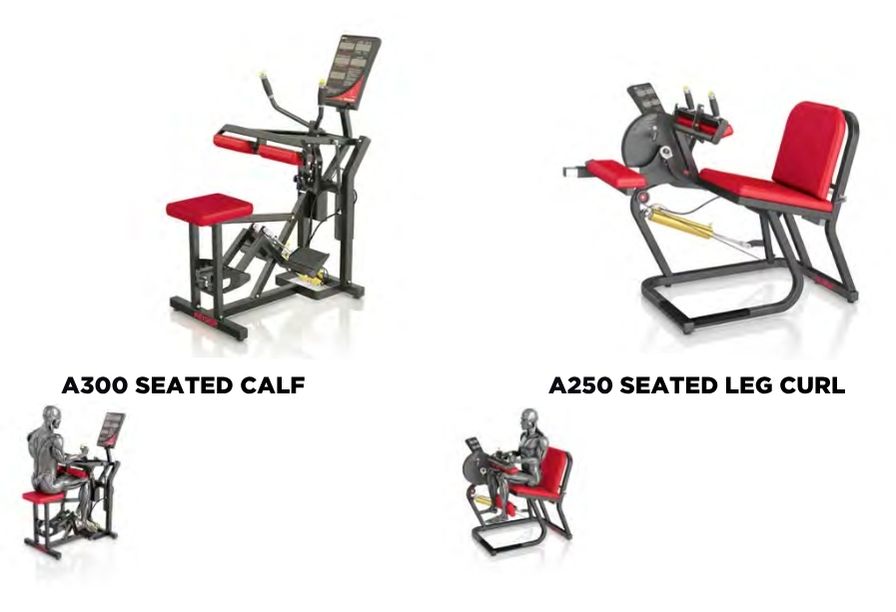
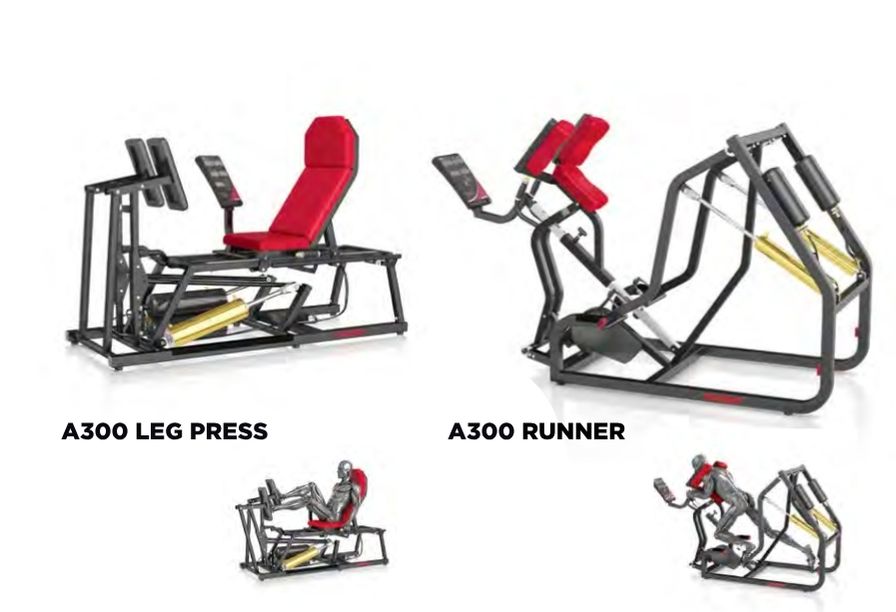
The Keiser A250, A300, and A400 Series are trusted by fitness clubs, performance training centers, rehabilitation facilities, healthcare organizations, and professional sports teams around the world. Their combination of smooth operation, precise resistance control, and proven air-powered technology makes them a premium choice for modern strength training environments.
Powered by Pneumatic Air Resistance
Unlike traditional weight-stack equipment, Keiser strength machines use pneumatic air resistance to deliver an exceptionally smooth, consistent workout. By using compressed air instead of heavy iron weights, resistance remains controlled throughout the entire movement and can be adjusted in precise, small increments.
This unique technology allows users of all fitness levels—from rehabilitation clients and older adults to elite athletes—to train with the exact resistance they need.
Why Air Resistance Matters
- Smooth, consistent resistance at any speed
- Precise resistance adjustments in small increments
- Low-impact training that’s easier on joints
- Ideal for power and speed training
- Suitable for rehabilitation, general fitness, and athletic performance
Many machines in the Keiser Strength Series can be upgraded with the A400 Performance Console, delivering real-time visual feedback and performance insights. Users can instantly see training data as they exercise, helping improve motivation, measure results, and optimize training sessions with objective performance metrics.
Train Through the Full Movement
Keiser machines provide resistance during both the lifting and lowering phases of an exercise.
- Concentric (lifting phase): Resistance is applied as muscles contract and shorten.
- Eccentric (lowering phase): Resistance continues as muscles lengthen under control.
This full-range resistance helps users build strength more effectively while maintaining proper control throughout every repetition.
Advanced Eccentric Training
Keiser’s technology also supports accentuated eccentric (“heavy negative”) training, allowing users to place greater emphasis on the lowering phase of an exercise. This advanced training method can help maximize strength development and athletic performance.
Not Hydraulic Technology
Although Keiser machines use cylinders, they are not hydraulic machines.
Hydraulic equipment simply resists movement and typically only works while the user is pushing or pulling. Keiser’s pneumatic system creates true resistance throughout the exercise, providing a more complete strength training experience with both lifting and lowering resistance.
| Manufacturer |
Keiser |
|---|
Related products
.webp)
.webp)
-430x197.webp)
-430x198.webp)
-430x285.webp)
-430x256.webp)
-430x377.webp)
-430x376.webp)
-430x227.webp)
-430x256.webp)
-430x420.png)
-430x362.png)
-430x386.webp)
-430x386.webp)
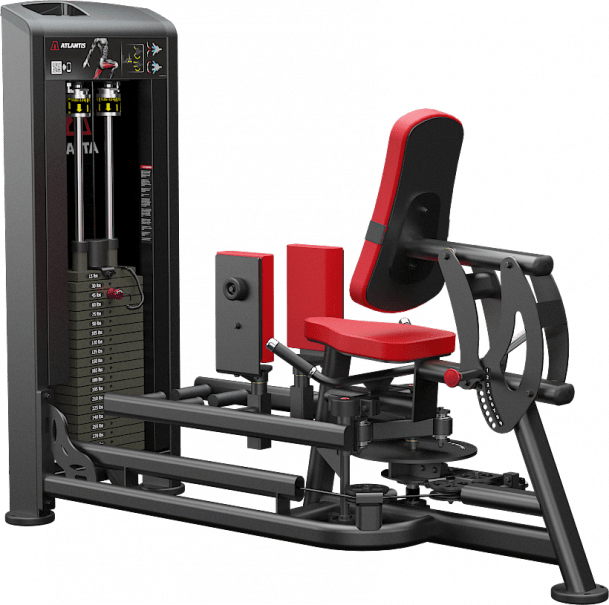
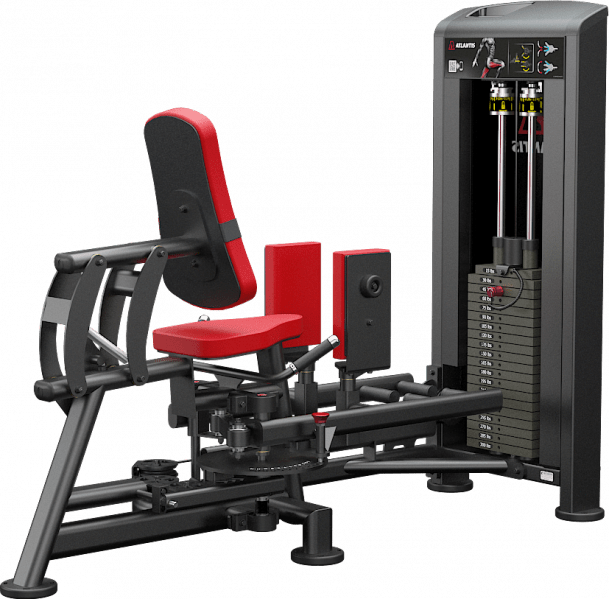
Atlantis Precision Abductor / Abductor Combo
Discuss this product- Dual function unit with minimal biomechanics compromised between the two positions.
- Transformation handle also acts as a range of motion setting.
- Thigh pads rotate easily from inner to outer positions and are tapered for heightened comfort.
- Adjustable backrest allows users to select appropriate axis of rotation.